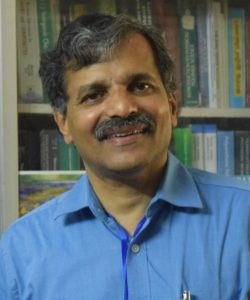
Mahatma Gandhi University India H Index 151
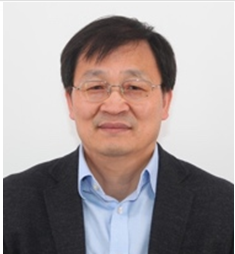
Professor Sabu Thomas is the Director of Centre for Nanoscience and Nanotechnology, Mahatma Gandhi University, Kottayam, Kerala, India. He is also currently the Chairman of the Trivandrum Engineering Science and Technology Research Park (TrEST Research Park), Trivandrum, Kerala, India. He was the former Vice Chancellor of Mahatma Gandhi University, Kottayam, Kerala, India. Prof.Thomas is a highly committed teacher and a remarkably active researcher well-known nationally and internationally for his outstanding contributions in polymer science and nanotechnology. He has published over 1600 research articles in international refereed journals. and has also edited and written 210 books. His H-index is 142 and total citations are more than 98,000. He has supervised 125 PhD theses. He has received many international and national awards and recognitions. Under the leadership of Prof. Thomas, Mahatma Gandhi University has been transformed into a top University in India.
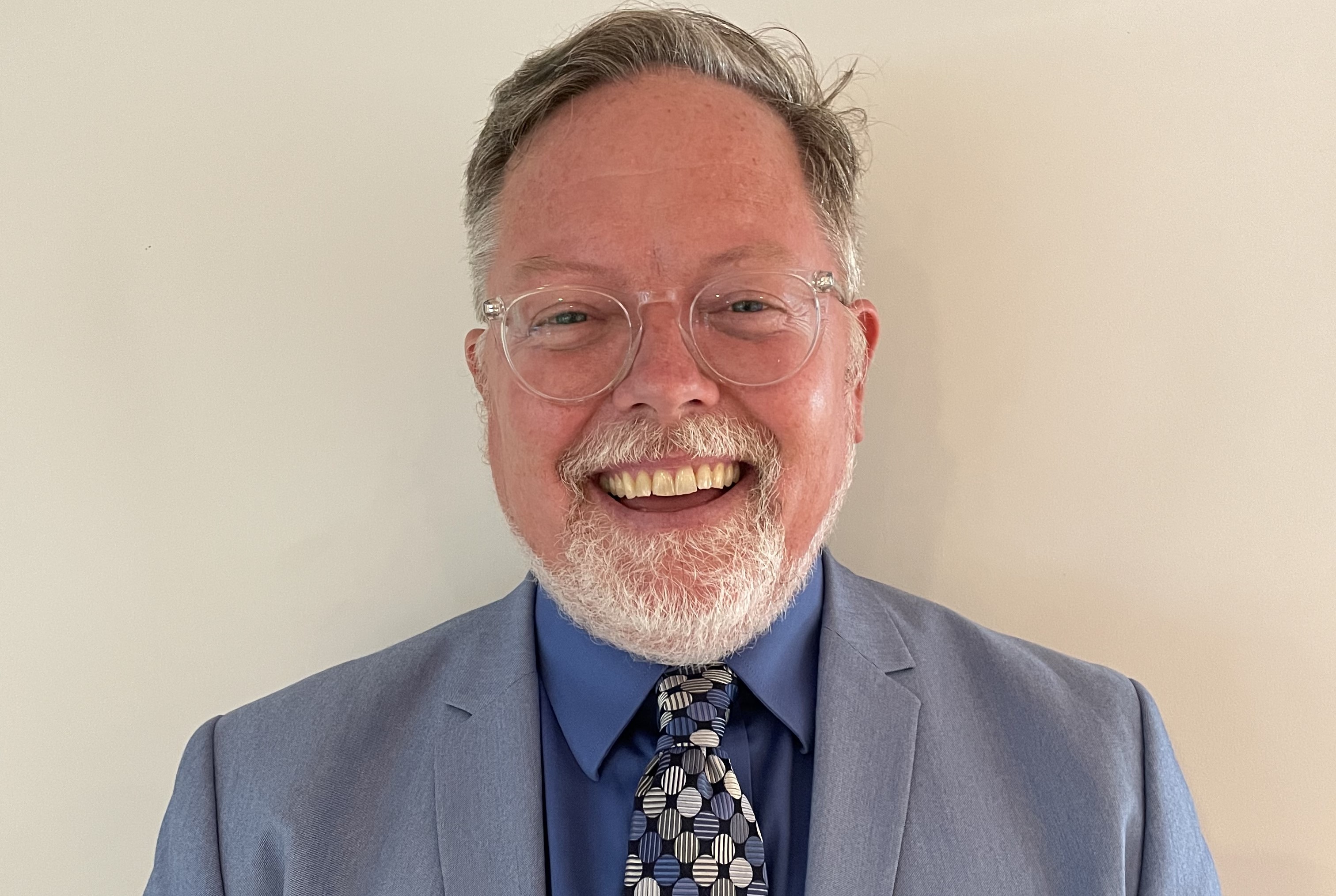
Hebei University of Technology China H Index 134
Thomas J. Webster’s (H index: 133) degrees are in chemical engineering from the University of Pittsburgh (B.S., 1995; USA) and in biomedical engineering from RPI (Ph.D., 2000; USA). He has formed over a dozen companies who have numerous FDA approved medical products currently improving human health in over 30,000 patients. His technology is also being used in commercial products to improve sustainability and renewable energy. He is currently helping those companies and serves as a professor at Brown University, Saveetha University, HebeiUniversity of Technology, UFPI, and others. Dr. Webster has numerous awards including: 2020, World Top 2% Scientist by Citations (PLOS); 2020, SCOPUS Highly Cited Research (Top 1% Materials Science and Mixed Fields); 2021, Clarivate Top 0.1% Most Influential Researchers (Pharmacology and Toxicology); 2022, Best Materials Science Scientist by Citations (Research.com); and is a fellow of over 8 societies.Prof. Webster is a former President of the U.S. Society for Biomaterials and has over 1,350 publications to his credit with over 55,000 citations. He was recently nominated for the Nobel Prize in Chemistry. Prof. Webster also recently formed a fund to support Nigerian student research opportunities in the U.S.
National Center for Nanoscience and Technology China H Index 115
Dr. Liang got Ph.D at National Key Laboratory of Biomacromolecules, Institute of Biophysics, Chinese Academy of Sciences. He finished his postdoc with Dr. Michael M. Gottesman for 5 years at Laboratory of Cell Biology, Center for Cancer Research, National Cancer Institute, National Institutes of Health, Bethesda, Maryland. Then, he worked as a Research Fellow at Surgical Neurology Branch, NINDS (National Institute of Neurological Diseases and Strokes, NIH) for 2 years. In 2007, he was an assistant professor at Department of Radiology, School of Medicine, Howard University. Dr. Liang currently is deputy director of Key Laboratory for Biomedical Effects of Nanomaterials and Nanosafety, Chinese Academy of Sciences and chief of laboratory of Nanomedicine and Nanosafety, National Center for Nanoscience and Technology of China. Dr. Liang is a founder member of International Society of Nanomedicine, member of American Association for Cancer Research and Union for International Cancer Control. Dr. Liang is current editorial board member of ?Advances in Nano Research? ?Acta Biophysica Sinica??Journal of Nanomaterials?and ?Current Nanoscience?, guest editor of ?Biotechnology Advances?. Dr. Liang was honored with 2004?2005?2006 “Fellows Award for Research Excellence” in NIH; “Special Government Allowances” by Department of State, 2011; “Young Pharmaceutics Scholar” by CPA, 2012.
His research interests are in elucidating mechanisms to improve nanomedicinal bioavailability by nanotechnology in vivo, and novel strategies to increase therapeutic effect on cancers and infective diseases. Developing drug delivery strategies for prevention/treatment of AIDS and cancers are current program ongoing in Dr. Liang's lab based on understanding of basic physio-chemical and biological processes of nanomedicine. Most protocols are employed for delivering therapeutic molecules (chemical compounds or nucleic acids) to actively target cells or tissues in vivo to enhance drug safety and efficacy.
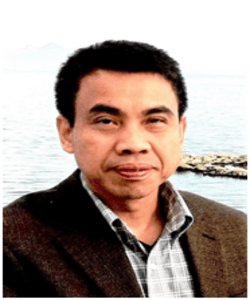
Shaanxi University of Science & Technology China H Index-81
Chuanyi Wang is a distinguished professor at Shaanxi University of Science & Technology (SUST) of China, serving as Academic Dean at School of Environmental Science and Engineering, Director of Shaanxi Province’s Innovation and Talent Introduction Base, and Director of Xi’an International Joint Research Centre.Before moving to SUST in 2017, Wang was a distinguished professor of Chinese Academy of Sciences (CAS), serving as Director of Laboratory of Environmental Science and Technology of Xinjiang Technical Institute of Physics & Chemistry, and Head of CAS International Creative Research Team as well as Innovation Cross-Team.Wang obtained his Ph.D. degree from CAS with honor in 1998, worked in Germany (Institute for Solar Energy Research in Hannover and Free University Berlin) as an Alexander von Humboldt research fellow from 1999 to 2000, and then worked in USA (Tufts University and Missouri University-Kansas City) from 2000 to 2010.
Wang has led more than 30 national/international research projects, including prestigious key research projects sponsored by NSFC and CAS. His research focuses on energy and environmental photocatalysis, environmental materials, waste recycling, and green technologies towards low carbon etc. He has published over400 peer-reviewed articles with over22,000 citationsand H-index 85, authorized 65 Chinese/ US patents, published 3 monographs, and has given over 260 invitedkeynote or plenary talks at national/international conferences and research institutions.
Wang is an elected FEurASc, RSA Life Fellow, FRSC and FIAAM, named in the list of the “World’s Top 2% Scientists” since 2021 (ranked top 80 in Physical Chemistry). He is also a recipient of several prestigious awards, including “Excellent” award in the final review of the CAS Hundred Talents Program, China Tianshan Prize, Contribution Award of Overseas Chinese in China, Highly Cited Researcher (Clarivate), and Advanced Materials Laureate etc. Wang is serving on multiple editorial and scientific advisory boards, e.g., Associate Editor for Environmental Chemistry Letters, DeputyDirector General of China Energy Society, acts as Chairman of series national/international conferences, proposal reviewer and finalpanel for MOST (China), and National Science and Technology Award of China etc.
Shanghai University China
Prof. Afang Zhang obtained his PhD from Peking University. He became an associate professor in 1992 and full professor in 1998 at Chemistry Institute of Henan, China. He was worked as postdoc at the Deutsches Kunststoffinstitut and senior researcher at Free University of Berlin. Since the beginning of 2005, he joined ETH Zürich as a senior scientist. Until the end of 2009, he retuned back to China and joined Shanghai University as a distinguished professor. Thereafter, he became a 1000-plan Scholar. He has published more than 160 papers, and 8 book chapters. His main research interest includes helical dendronized polymers, stimuli-responsive polymers, and their supramolecular assembly.
Hong Kong University Hong Kong H Index-60
Hong Kong University Hong Kong ???????H Index-60
Monash University Australia H-Index 60
Professor Raman Singh’s primary research interests are in the relationship of Nano-/microstructure and Environment-assisted degradation and fracture of metallic and composite materials, and Nanotechnology for Advanced Mitigation of such Degradations. He has also worked extensively on use of advanced materials (e.g., graphene) for corrosion mitigation, stress corrosion cracking, and corrosion and corrosion-mitigation of magnesium alloys (including for the use of magnesium alloys for aerospace, energy, defence and bioimplant applications).
Prof Singhis a senior professor at Monash University, Australia. He is a Guest Professor at ETH Zurich, Switzerland (2020, 2023, 2024), US Naval Research Lab, Indian Institute of Science, and University of Connecticut. He worked as a scientist at Indian Atomic Energy and as a post-doc fellow at University of New South Wales, Australia.
Prof Singh’s professional distinctions and recognitions include: Guest Professor of ETH Zurich, Editor of a book on Cracking of Welds (CRC Press), Lead Editor of a book on Non-destructive Evaluation of Corrosion (Wiley), Editor-in-Chief of an Elsevier and an MDPI journals, leader/chairperson of a few international conferences and numerous plenary/keynote lectures at international conferences, over 285 peer-reviewed international journal publications and 15 book chapter, and several competitive research grants (that includes 4 Discovery, 7 Linkage and one ITRH grants of Australian Research Council).
Prof Singh has supervised 60 PhD students. His vibrant research group at Monash University comprises of PhD students from different disciplines (Mechanical, Chemical, Materials and Mining Engineering, and Science) as well as from different cultural backgrounds (Australian, Middle-eastern, Chinese, Malaysian, Indian, African, North American and Israeli).
Catholic University Brazil H-Index 60
Paulo C. DE MORAIS (H-60), PhD, was full Professor of Physics at the University of Brasilia (UnB) – Brazil up to 2013, Appointed as UnB’s Emeritus Professor (2014), Appointed as Guest Professor of Huazhong University of Science and Technology– China (2011), Visiting Professor at Huazhong University of Science and Technology (HUST) – China (2012-2015), Appointed as Distinguished Professor at Anhui University (AHU) – China (2016-2019), Appointed as Full Professor at Catholic University of Brasília (UCB) – Brazil (2018), Appointed as CNPq-1A Research Fellowship since 2010. 2007 Master Research Prize from UnB, 2008-member of the European ERA NET Nanoscience Committee, Member of the IEEE-Magnetic Society Technical Committee, Senior Member of the IEEE Society, 2012 China’s 1000 Foreign Expert Recipient, and 2012 Academic Excellence Award from Brazilian Professor’s Union. He held two-years (1987-1988) post-doc position with Bell Communications Research – New Jersey, USA and received his Doctoral degree in Solid State Physics (1986) from the Federal University of Minas Gerais – Brazil. He graduated in both Chemistry (1976) and Physics (1977) at UnB.ProfessorMorais is member of the Brazilian Physical Society and the Institute of Electrical and Electronics Engineers – IEEE. He has served as referee for more than 50 technical journals, takes part of the Editorial Board of more than 15 technical journals and has conducted research on nanomaterials for over 40 years.He is known for his research in preparation, characterization and applications of nanosized materials (magnetic fluid, magnetoliposome, magnetic nanoemulsion, magnetic nanocapsule, magnetic nanofilm, magnetic nanocomposite, nanosized semiconductors, polymeric dots, carbon dots, and graphene quantum dots). With more than500 published papers in peer reviewed journals, more than13,000 citations, more than 200 international invited talks, and more than 15 filed patents. He has appeared in recent World ranking of top scientists, such as 2020-Stanford, 2022-Research.com, 2023-AD Scientific Index, 2023-Research.com, 2024-Elsevier, and 2025-AD Scientific Index.
UTBM France
Dr. Amir HAJJAM EL HASSANI received his PhD in Computer Science from the Université de Haute Alsace (UHA) in 1990. He is associate Professor HDR at the Université de Technologie de Belfort-Montbéliard (UTBM) and Head of Software engineering. He is Deputy Director of Nanomedicine Lab., Imagery & Therapeutics of Université de Franche Comté (UFC) and Research Team Leader of Health Systems Organization. His research areas include data mining and machine learning for decision support in the field of e-Health. He is Editorial Board Member of four international journals and the author/co-author of 3 books and many international publications in refereed journals and conferences. He was Co-Chair of the first international conference eTelemed’09 and is its advisory Chair since 2010. He is member of the Science Steering Committee of the annual conferences IADIS e-Health, eHealth, e-Medisys, etc. He has organised many conferences and chaired several technical sessions. He also acts as an expert to the ANRT France, ARI Alsace and CNRST Morocco.
Angadi Institute of Technology and Management India
Fifteen years of research experience as senior Scientist, associate research scientist in R&D organizations of TATA (Advinus Therapeutics Ltd) , Astra Zeneca India, Trans Chem Ltd. Expert in the area of Medicinal Chemistry, Material Chemistry, Material electronics, Photocatalysis, Polymer nanocomposites, Nanoelectronics, Actuators and Sensors. Overseas Research Fellow of Nanyang Global Research Center, Bangkok, Malaysia. Published more than 150 research articles, and 15 Books/several book chapters in Scopus, Q-ratted journals with high impact factor, attended and presented papers in National and International Conferences as Key note speaker, distinguished speaker. Published books in Wiley, Trans-Tech etc., Chaired/ Key note speaker/Organizing secretory, Editor for International and National conferences, Editorial Board Member, Life Member of many international societies/research institutions. Editor of the special issues published in springer, Elsevier and Wiley. Recognized Research Guide Visvesvarayya Technological University, Belagavi, Karnataka, India. Presently working as Professsor and Dean Research in Angadi Institute of Technology and Management, Belagavi, Karnataka, India. Scientific Advisor for various government and research organizations, Industries and R&D organizations. Supervising 4 research scholars for Ph.D. Research interest includes Nano Electronics, Liquid Crystals, Liquid crystal Nanostructures, Optoelectronics, Material Chemistry, Sensors and Actuators, Bio Nanomaterials, Medicinal Chemistry
Firat University Turkey
Dr. Osman Adiguzel graduated from Department of Physics, Ankara University, Turkey in 1974 and received PhD- degree from Dicle University, Diyarbakir-Turkey. He studied at Surrey University, Guildford, UK, as a post doctoral research scientist in 1986-1987, and his studies focused on shape memory alloys. He worked as research assistant, 1975-80, at Dicle University and shifted to Firat University in 1980. He became professor in 1996, and he has been retired due to the age limit of 67, following academic life of 45 years.
He published over 80 papers in international and national journals; He joined over 120 conferences and symposia in international and national level as Plenary Speaker, Keynote Speaker, Invited speaker, speaker or Poster presenter. He served the program chair or conference chair/co-chair in some of these activities. In particular, he joined in last six years (2014 - 2019) over 60 conferences as Speaker, Keynote Speaker and Conference Co-Chair organized by different companies in different countries.
Additionally, he retired at the end of November 2019, and contributed with Keynote/Plenary Speeches over 230 Virtual/Webinar Conferences, in the coronavirus outbreak and retirement life in five year of his retirement, 2020 and 2024.
Dr. Adiguzel served his directorate of Graduate School of Natural and Applied Sciences, Firat University in 1999-2004. He supervised 5 PhD- theses and 3 M. Sc theses. He is also technical committee member of many conferences. He received a certificate which is being awarded to him and his experimental group in recognition of significant contribution of 2 patterns to the Powder Diffraction File – Release 2000. The ICDD (International Centre for Diffraction Data) also appreciates cooperation of his group and interest in Powder Diffraction File.
Scientific fields of Dr. Adiguzel: Shape memory effect and displacive phase transformations in shape memory alloys and other alloys, molecular dynamics simulations, alloy modeling, electron microscopy, electron diffraction, x-ray diffraction and crystallography.
Chinese Academy of Sciences China
As the first author and corresponding author, Angyang Yu has published more than 30 scientific articles in many international journals. He had served as a teaching faculty in Liaoning University of Petroleum and Chemical Technology before he obtained his Ph.D. degree at Jilin University of China and performed his Postdoctor's research in Chinese Academy of Sciences. His research directions cover a wide range among physics, chemistry, as well as materials science. To list a few respresentitive research interests: 1. molecular spectra, 2. chemical kinetics, 3. molecular excited states, 4. molecular reaction dynamics and 5. engineering alloy design.
We are here to assist you. Reach out to us through any of the following contact details.